
Neutrino Phenomenology
Antonio Marrone
Full Professor of Theoretical Physics
What neutrinos can tell us about the universe, and about what lies beyond the Standard Model.
Università degli Studi di Bari “Aldo Moro” · INFN Sezione di Bari
Latest
- arXiv digest The digest of 13 November 2026
- Result · Oct 2026 Bari Release 2026.a, after the second JUNO data release Preliminary
- For students · Oct 2026 Interactive neutrino physics: eight figures
Research statement
Neutrino phenomenology and the flavour puzzle
My research lies at the interface between neutrino physics, particle phenomenology and cosmology. With the Bari group I have contributed to a long line of global analyses of neutrino oscillation data, combining solar, atmospheric, reactor and accelerator experiments to determine the parameters of leptonic mixing with state-of-the-art precision.
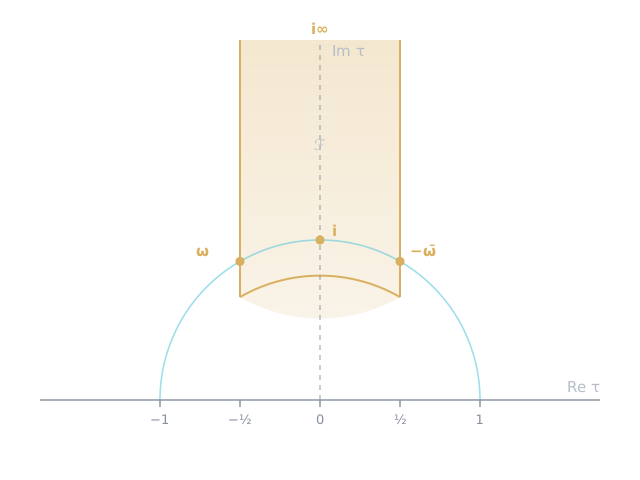
As measurements enter the subpercent regime, these results constrain the neutrino mass ordering, leptonic CP violation and the absolute mass scale, and probe possible signatures of physics beyond the three-neutrino paradigm. A complementary line of work investigates modular invariance as a candidate symmetry underlying the flavour structure of quarks and leptons.
Featured · interactive figure
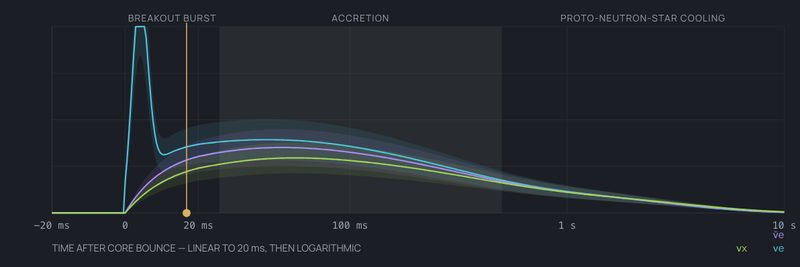
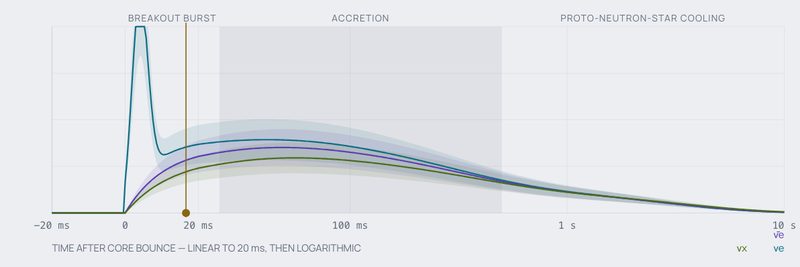
What would a galactic supernova look like in neutrinos?
The neutrino burst of a core collapse in time and energy, and what three detector technologies would record at a distance you choose.
Oscillation parameters
The current snapshot of the Bari global analysis: best fits and 3σ ranges, normal ordering, from the Bari Release 2026.a after the second JUNO data release — preliminary, the paper is in preparation.
Preliminary. Bari Release 2026.a, after the second JUNO data release: the paper is in preparation and these values may still change. Final combination of long-baseline accelerator, solar, reactor and atmospheric data; normal ordering, favoured over inverted at 3.9σ (Δχ²IO−NO = 15.34). δm² = m₂² − m₁², Δm² = m₃² − (m₁² + m₂²)/2. The 1σ precision is the 1σ error divided by the best fit; for sin²θ₂₃, whose 3σ range spans both octants, one sixth of the 3σ range divided by the best fit.

Ci fu una grande battaglia di idee: alla fine non rimasero né vinti, né vincitori, né idee
(There was a great battle of ideas: in the end there were left neither vanquished, nor victors, nor ideas)

L’ultimo che lascia la Terra spenga il Sole
(Will the last one to leave the Earth please switch off the Sun)
Photography
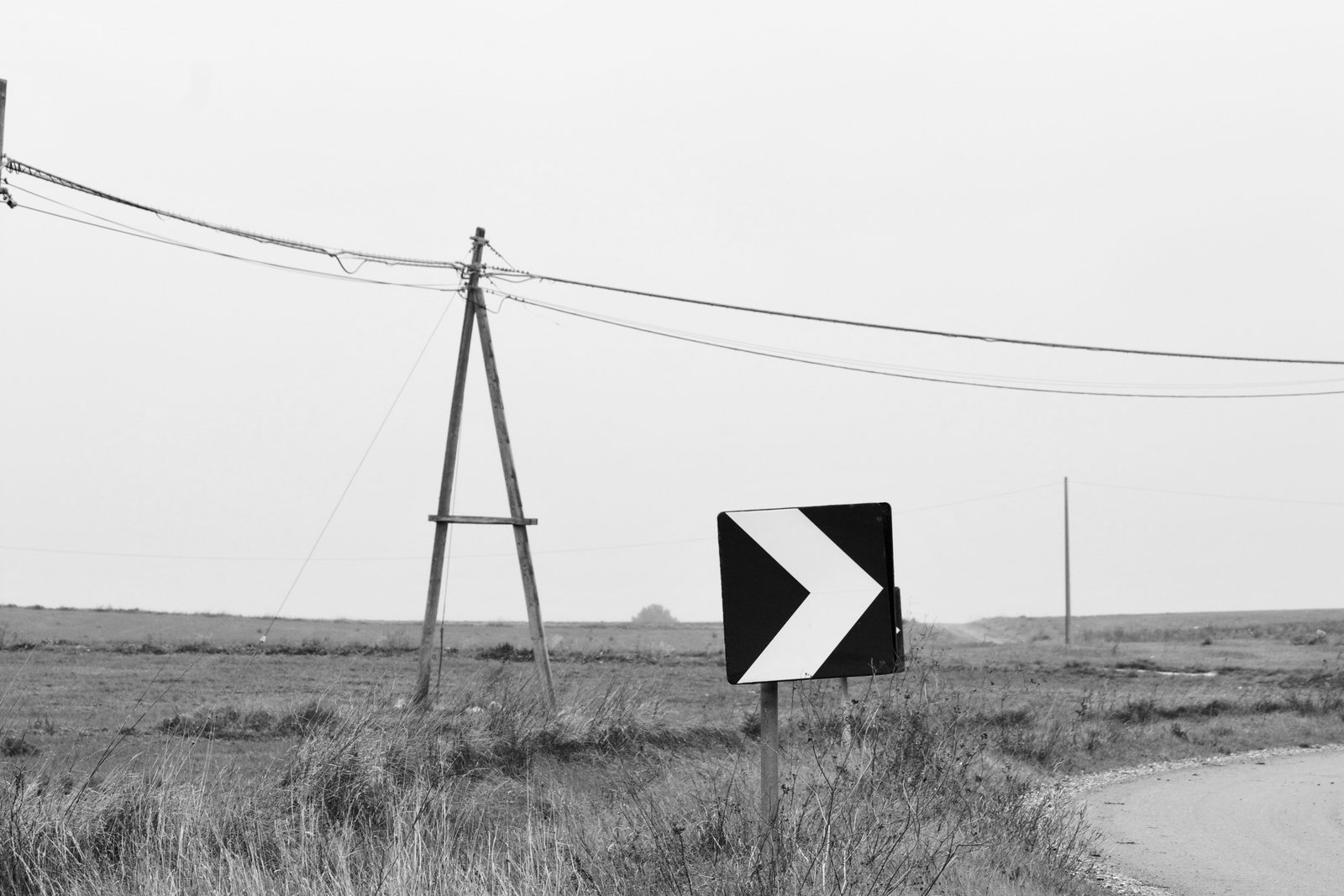
A selection of my own photographs, shown uncropped.



Contact
Students, collaborators and prospective thesis candidates are welcome to write to either institutional address.