Interactive neutrino physics
Figures to explore, teach and reuse
Each figure answers one physical question and computes what it shows — with its assumptions, its sources, and a licence to reuse it in lectures and talks.
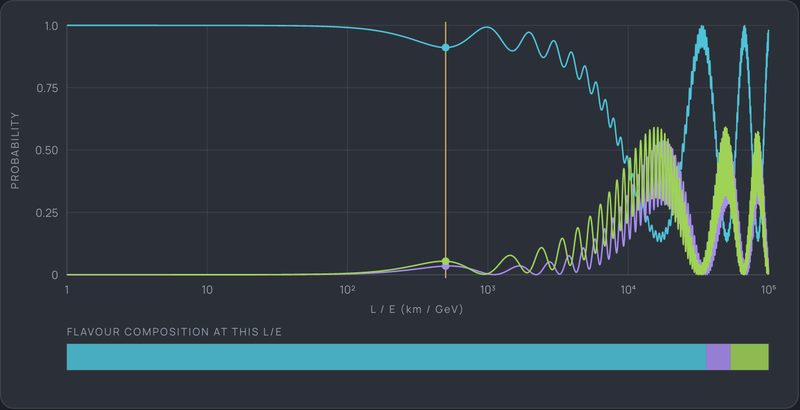
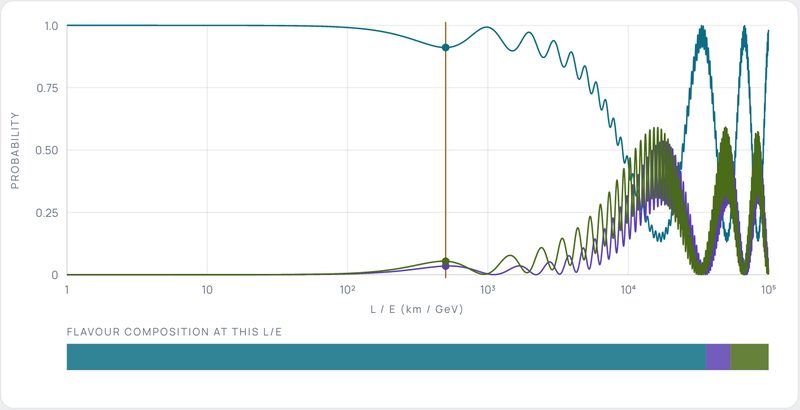
How do three neutrino flavours oscillate?
Exact three-flavour oscillation probabilities in vacuum as a function of L/E, with the parameters of the Bari global analysis.
Advanced undergraduate: quantum mechanics and the idea of flavour mixing.
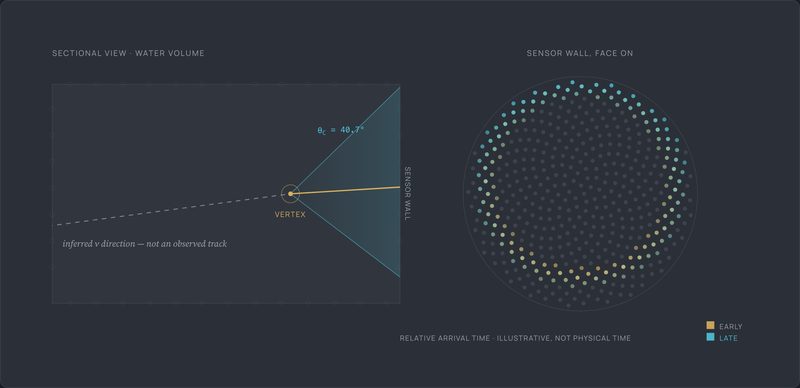
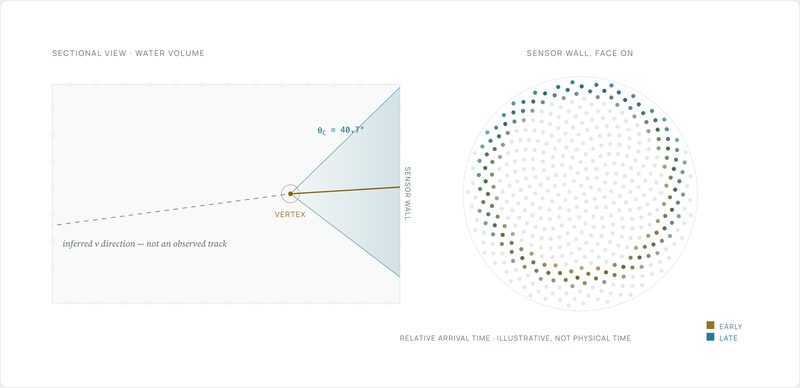
What does a neutrino look like in a water-Cherenkov detector?
The neutrino itself is invisible: the ring of light comes from the charged lepton it produces.
Undergraduate: special relativity and the refractive index.
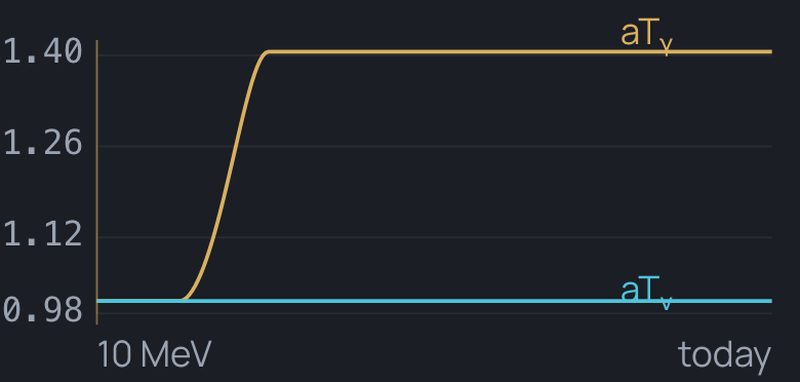
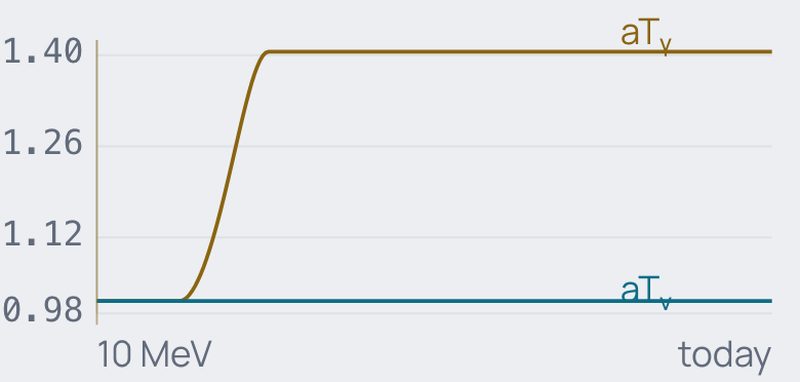
What happened to the neutrinos of the Big Bang?
A scrubbable history of the relic neutrinos, from the primordial plasma to the sea that fills every cubic centimetre of space today.
Graduate: the thermal history of the early Universe.
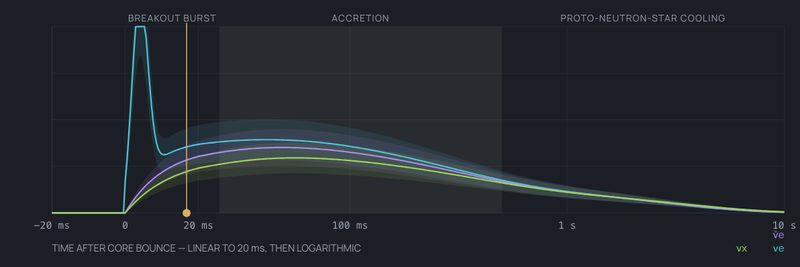
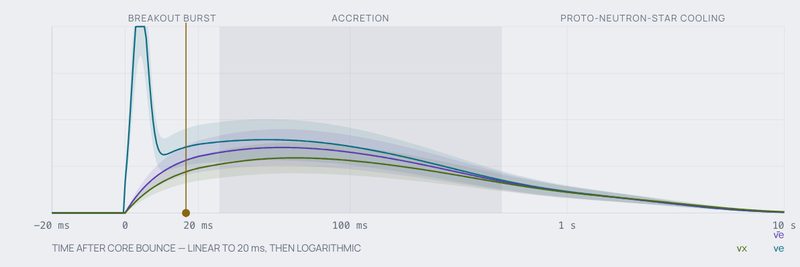
What would a galactic supernova look like in neutrinos?
The neutrino burst of a core collapse in time and energy, and what three detector technologies would record at a distance you choose.
Graduate: neutrino astrophysics.
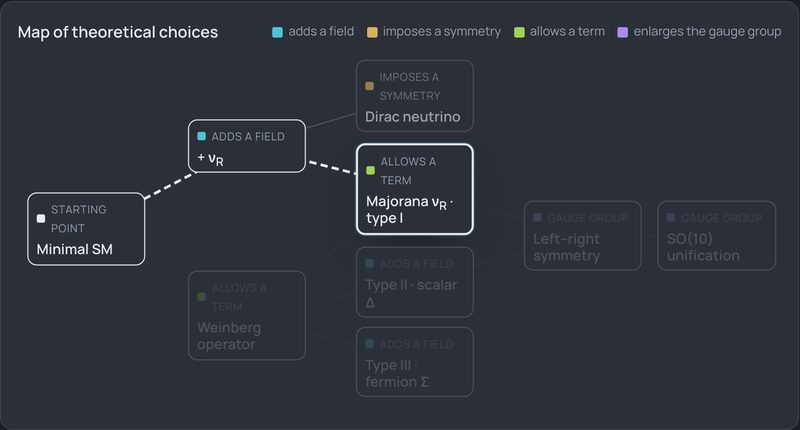
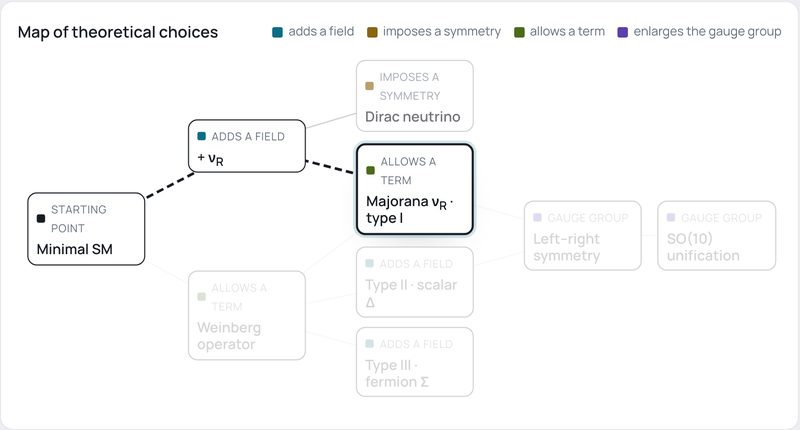
What must we add to the Standard Model to give neutrinos mass?
A map of the theoretical choices, from the minimal Standard Model to SO(10), with the fields, the mass matrix and the observable consequences of each.
Graduate: the Standard Model and basic quantum field theory.
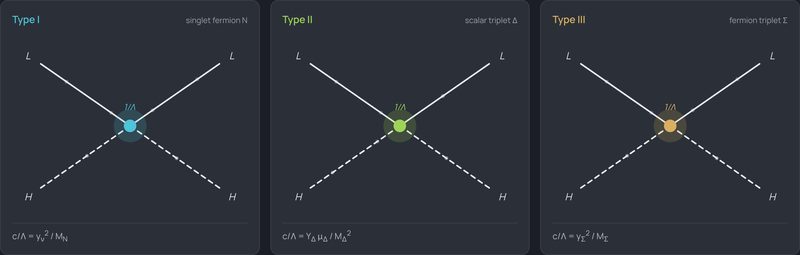
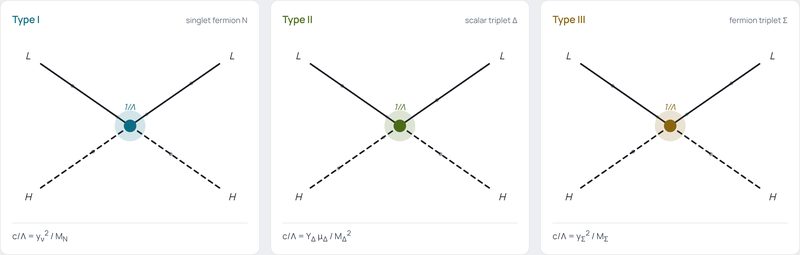
How do three different seesaws become one operator?
The type I, II and III seesaw diagrams collapse onto the same dimension-five operator as the energy scale runs below the heavy mass.
Graduate: quantum field theory and effective field theory.
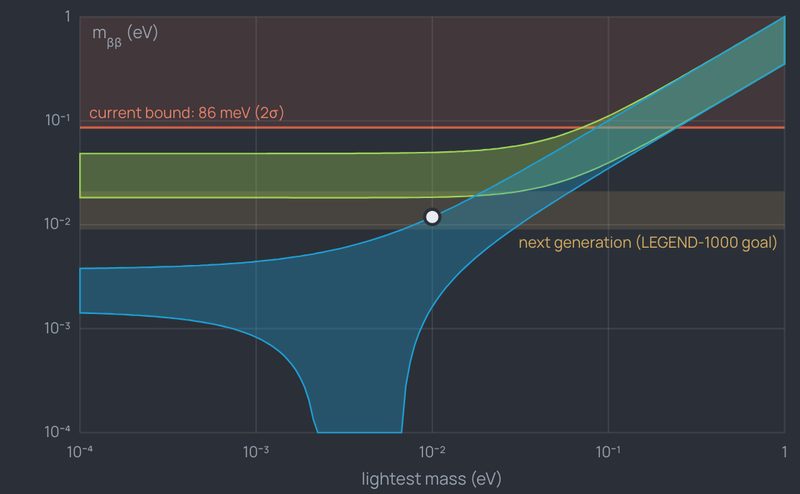
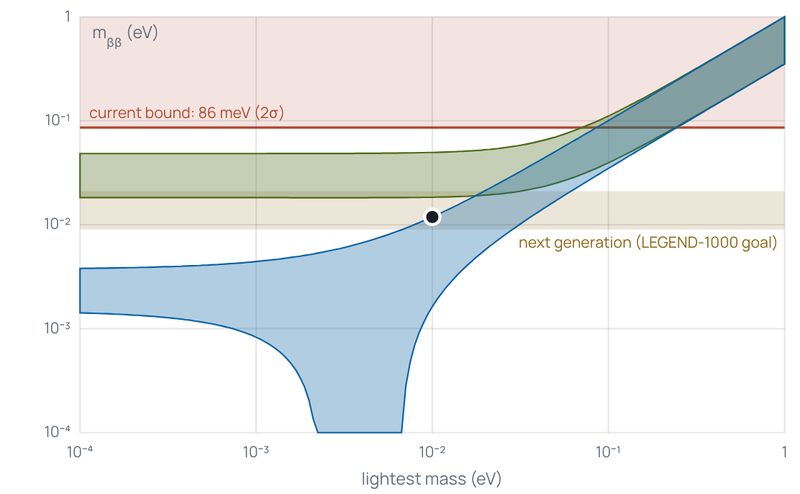
What do β decay, 0νββ and cosmology each measure?
mβ, mββ and Σ as functions of the lightest mass, the ordering and the Majorana phases, set against the current bounds.
Advanced undergraduate to graduate.
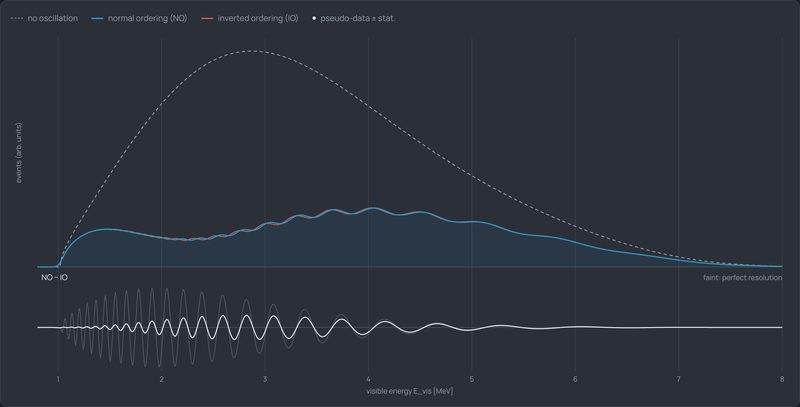
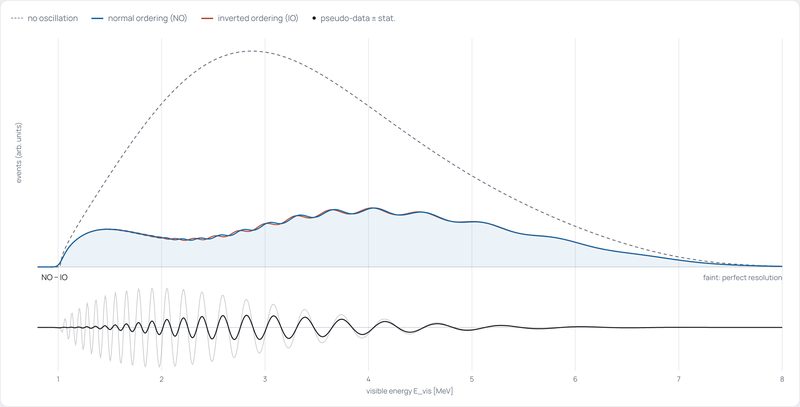
How can a reactor 52.5 km away tell the neutrino mass ordering?
The reactor antineutrino spectrum at JUNO in seven scenes: the fast ripple whose phase tells normal from inverted ordering, and what resolution and statistics leave of it.
Advanced undergraduate to graduate.
Reuse. Text and figures are released under CC BY 4.0, the code under the MIT licence. Each page carries a citation and a PNG of the figure for slides; the figure itself runs in any browser, with nothing to install.
The figures also appear where they belong in context: on the Research page and in the course BSM Neutrino Physics.